

First Frost Is Coming: 7 Things Sioux Falls Drivers Should Do to Their Car Before Winter Arrives
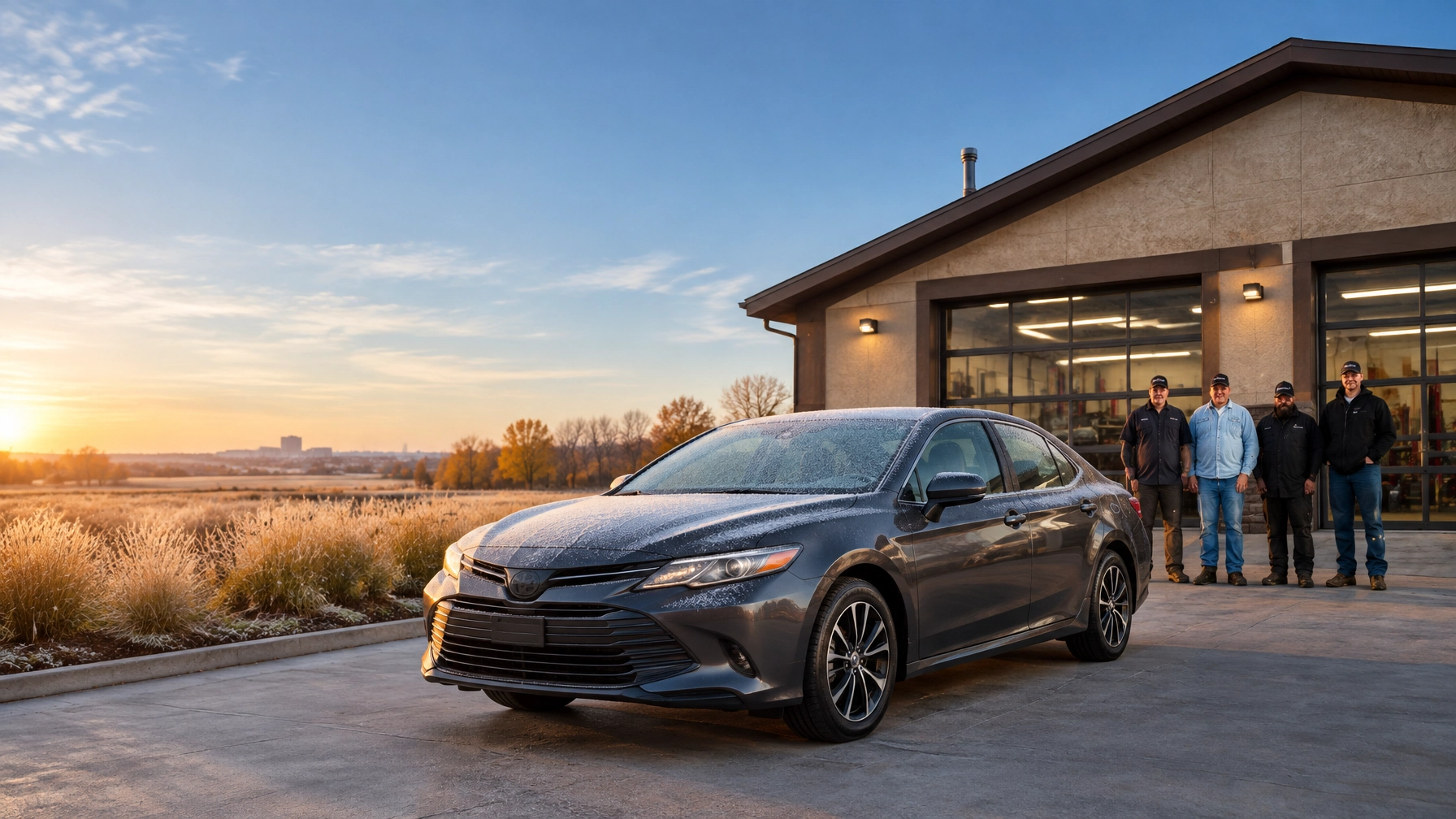
You step outside for an early commute and notice it: the windshield is lightly frosted, the air has that sharp, cold bite, and your car takes an extra second to start. It may still feel like fall in Sioux Falls, but winter is already sending a warning.
That first freeze can turn a small maintenance concern into a stressful roadside problem. A weak battery may fail without much notice. Worn tires can lose traction on the first icy morning. A tired wiper blade can leave your windshield streaked when slush sprays across the glass.
The good news? September is the perfect time to prepare. With several weeks before sustained snow and sub-freezing temperatures typically arrive, you have time to inspect your vehicle, schedule needed repairs, and avoid the winter rush. Here are seven steps to put your car in a safer, more reliable position before winter settles over Sioux Falls.
1. Schedule a Sioux Falls car tune-up
Your engine is the heart of your vehicle: and winter asks it to work harder. Cold starts require more from the battery, oil, ignition system, and fuel system, especially when your car sits outside overnight.
A seasonal tune-up can help identify problems before they leave you stranded in a cold parking lot. Depending on your vehicle’s age and maintenance schedule, a professional inspection may include:
- Spark plugs and ignition components
- Engine oil level and condition
- Air and fuel filters
- Belts and hoses
- Coolant level and freeze protection
- Warning lights and stored diagnostic codes
- Charging and starting systems
A tune-up does not mean replacing every part automatically. A trustworthy shop should explain what your vehicle needs now, what can wait, and why. That straightforward conversation can save you money while helping your car handle repeated cold starts more confidently.
Motor Solution provides tune-up and maintenance services for all makes and models, using advanced diagnostic equipment and experienced ASE-certified technicians.
2. Test the battery and charging system
A battery that works perfectly on a mild September morning may struggle when temperatures drop below freezing. Cold weather reduces battery performance, while thickened engine oil makes the starter work harder. That combination can create the dreaded click: or complete silence: when you turn the key.

Before winter arrives, have your mechanic check:
- Battery strength and cold-cranking performance
- Alternator output
- Starter operation
- Battery terminals and cable connections
- Signs of corrosion, swelling, or leakage
If your battery is several years old or has already needed a jump, testing it now is especially important. A battery may still start your car today but fail when the first sub-zero morning arrives.
Clean, tight connections also matter. Corrosion around the terminals can restrict electrical flow, making the starting system work harder. A battery and charging-system test is quick peace of mind: especially if you park outside or depend on your vehicle for work, school, and family responsibilities.
3. Inspect your tires, tread, pressure, and alignment
Your tires are your vehicle’s companions on snowy, wet, and icy roads. They are the only parts of your car touching the pavement, so their condition directly affects acceleration, steering, and stopping.
Before the first significant snowfall, check all four tires and the spare for:
- Uneven or worn tread
- Cracks, bulges, or other damage
- Proper inflation
- Uneven wear on the inside or outside edges
- Tread depth suitable for winter conditions

Remember that tire pressure typically falls as temperatures drop. Check pressure when the tires are cold and use the recommendation on your driver-side doorjamb: not the maximum number printed on the tire sidewall.
If your vehicle pulls to one side, the steering wheel sits crooked, or the tires are wearing unevenly, ask about a rotation and wheel alignment service. Proper alignment helps your car track more predictably and can protect your tires from premature wear.
Drivers who regularly travel rural roads, commute early, or face frequent snow and ice may also want to discuss dedicated winter tires. The best choice depends on your vehicle, driving habits, and budget.
4. Replace worn wipers and fill winter-rated washer fluid
Blowing snow, road spray, freezing rain, and salt can make visibility disappear in seconds. If your wipers chatter, skip, smear, or leave untouched arcs across the windshield, replace them before the weather turns dangerous.
Good wipers should:
- Clear the glass in one smooth pass
- Remove water without streaking
- Stay flexible in cold temperatures
- Make full contact across the windshield
Top off your washer reservoir with fluid rated for sub-freezing temperatures. Summer washer fluid can freeze in the reservoir or lines, leaving you unable to clean road grime from the windshield.
Also check the rear wiper if your vehicle has one. When you are backing out of a snow-lined driveway or changing lanes on a slushy road, clear visibility in every direction matters.
5. Test the heater and defroster
You do not want to discover that your heater is blowing cold air during a below-zero commute. The cabin heater keeps you comfortable, but the defroster is also a critical safety system: it clears frost and fog so you can see.
Turn on your vehicle’s heater and test both front and rear defrosters. Watch for:
- Air that stays cold after the engine warms up
- Weak airflow
- Fog that does not clear
- Unusual smells
- Dampness near the passenger-side floor
- Temperature changes that do not respond to the controls

Heating problems can involve low coolant, a clogged cabin filter, a thermostat issue, or a problem with the blower or climate controls. They are easier: and often less disruptive: to diagnose in September than during the first major snowstorm.
Clean the inside of the windshield, too. A film of dust or smoke residue can make glare and fogging worse when the sun is low or headlights shine through blowing snow.
6. Get a general winter-readiness inspection
Winter driving exposes small weaknesses. A worn brake pad, cracked hose, weak suspension component, or dim headlight may become a larger safety concern when roads are slick and visibility is poor.
Ask a trusted mechanic in Sioux Falls, SD to inspect the systems that help your car stop, steer, and stay reliable:
- Brake pads, rotors, fluid, and parking brake
- Coolant condition and freeze protection
- Engine oil and other essential fluids
- Belts, hoses, and seals
- Headlights, brake lights, and turn signals
- Suspension and steering components
- Exhaust system for leaks or damage
Coolant deserves special attention. It protects the engine from freezing, but it also helps prevent overheating. If the coolant level is low, the mixture is weak, or the service history is unknown, have it tested rather than guessing.
This is also the right time to address a check engine light or other warning message. Diagnostic services can identify issues before cold weather makes them more difficult: or more expensive: to manage.
7. Prepare a winter emergency kit
Even a well-maintained vehicle can encounter a sudden storm, road closure, or unexpected breakdown. A small emergency kit can make a long wait safer and less frightening.
Keep these items in your car:
- Ice scraper and snow brush
- Warm blanket, coat, gloves, and hat
- Flashlight with fresh batteries
- Jumper cables or a charged jump starter
- Phone charger or power bank
- Bottled water and nonperishable snacks
- Small shovel
- Sand or cat litter for traction
- Basic first-aid supplies
- Reflective vest or roadside warning triangle
Before driving in severe weather, check the forecast and road conditions. Clear snow from the roof, hood, trunk, headlights, and all windows: not just a small opening in the windshield. Loose snow can blow onto your own glass or another driver’s vehicle once you are moving.
The National Highway Traffic Safety Administration’s winter driving guidance also recommends slowing down, increasing following distance, and avoiding unnecessary travel during dangerous conditions.
Beat the winter rush with a pre-season inspection
Sioux Falls winters can bring freezing temperatures, blowing snow, and slippery roads with little warning. Preparing your car now gives you time to make thoughtful decisions instead of reacting to a dead battery, failed heater, or tire problem on the coldest morning of the year.
Whether you need a complete inspection or just want to confirm that your vehicle is ready, Motor Solution is here to help. Our family-owned shop has served Sioux Falls drivers since 2003 with honest recommendations, competitive pricing, and quality repairs for all makes and models.
Schedule an appointment or contact Motor Solution before the first frost becomes the first real winter headache.
Related Posts
Why Your Tire Pressure Light Comes On Every Cold Morning (And When It’s Actually Serious)
You step outside for your early Sioux Falls commute, coffee in hand, and notice a little amber horseshoe-shaped light glowing on the dashboard. Your stomach drops. Did you pick up a nail? Is a tire about to go flat? Or…


Trading It In or Buying New? A Sioux Falls Buyer’s Guide to Making the Smart Used Car Decision
You pull into the driveway after another long day in Sioux Falls, and your current vehicle greets you with a warning light, a strange vibration, or one more repair estimate than you expected. The idea of replacing it can feel…

The Pothole Survival Guide: Why Sioux Falls Roads Are Wrecking Your Wheel Alignment
You’re driving down 41st Street, maybe humming along to the radio or thinking about what’s for dinner, when it happens: that heart-skipping thud. It’s a sound every Sioux Falls driver knows too well. It’s the sound of your car meeting…